How Yoga and TCM Transformed My Recovery Journey
Recovering from injury or illness often feels like a long, lonely road. I discovered that blending traditional Chinese medicine with yoga meditation wasn’t just calming—it reshaped my rehabilitation. This natural synergy supports healing from within, balancing body and mind. What I experienced wasn’t magic, but method. Here’s how this powerful combination helped me regain strength, focus, and resilience—safely and effectively.
The Breaking Point: When Conventional Recovery Wasn’t Enough
There came a moment when the usual path of recovery stopped working. Despite following prescribed physical therapy and taking recommended rest, progress plateaued. Pain lingered in familiar places, sleep remained restless, and energy levels stayed low. The frustration built slowly, like a weight that never lifted. Each doctor’s visit focused on isolated symptoms—joint discomfort, muscle stiffness, fatigue—without addressing the deeper sense of imbalance. Treatments offered temporary relief but not lasting change. It became clear that healing couldn’t be reduced to mechanical adjustments alone. The body was signaling for something more holistic, something that acknowledged not just tissue but the whole person.
This turning point wasn’t dramatic, but it was decisive. The realization that conventional methods weren’t enough sparked a quiet determination to explore alternatives. There was no single moment of revelation, only a growing sense that healing required a different language—one that spoke of rhythm, flow, and internal harmony. It was not about rejecting modern medicine, but expanding the toolkit. The search began not in desperation, but in hope: the hope that natural, time-tested practices could offer what clinical protocols had missed. That curiosity led to a centuries-old system of balance—Traditional Chinese Medicine—and an ancient practice of mindful movement: yoga meditation.
Discovering the Bridge: Traditional Chinese Medicine Meets Mind-Body Practice
Traditional Chinese Medicine, or TCM, operates on a simple yet profound idea: health is not the absence of disease, but the presence of balance. At its core is the concept of Qi (pronounced “chee”), the vital energy that flows through the body along pathways called meridians. When Qi moves freely, the body functions optimally. When it becomes blocked or depleted, discomfort and illness may follow. Unlike Western models that often isolate symptoms, TCM views the body as an interconnected system. A sore shoulder isn’t just a muscular issue—it may reflect stagnation in a meridian, influenced by stress, diet, or emotional strain.
Yoga and meditation, though rooted in Indian traditions, share striking parallels with TCM’s philosophy. Both emphasize the connection between breath, movement, and inner state. In yoga, the focus on mindful breathing and gentle postures helps regulate the nervous system, calming the mind while awakening the body. This is not merely relaxation—it is active recalibration. When practiced with awareness, yoga supports the smooth flow of energy, much like acupuncture or herbal therapy in TCM. The bridge between these systems lies in their shared understanding: true healing happens when body and mind are aligned, when movement is guided by intention, and when stillness is used as a tool for insight.
The synergy between TCM and yoga is not about combining rituals, but about uniting principles. Both honor the body’s innate wisdom. Both reject the idea of quick fixes in favor of gradual, sustainable change. Where TCM uses herbs, acupuncture, and dietary therapy to restore balance, yoga offers breathwork, postures, and meditation to regulate energy and reduce stress. Together, they create a comprehensive approach—one that treats the root, not just the symptom. This integration doesn’t require abandoning modern care, but enriching it with practices that have supported human wellness for generations.
The Core Principles: How TCM and Yoga Support Natural Recovery
At the heart of both TCM and yoga lies a shared set of healing mechanisms. One of the most significant is their ability to reduce chronic inflammation, a common factor in pain and delayed recovery. In TCM, inflammation is often seen as excess heat or stagnation in the body, addressed through cooling herbs, acupuncture, and dietary adjustments. Yoga, particularly gentle styles like Yin or Restorative, helps lower inflammatory markers by reducing stress hormones such as cortisol. When practiced consistently, these methods work together to create an internal environment where healing can thrive.
Improved circulation is another key benefit. In TCM, blood and Qi are closely linked—where Qi flows, blood follows. Poor circulation is associated with pain, numbness, and fatigue. Acupuncture and acupressure are used to stimulate flow along meridians, while certain herbs are prescribed to nourish blood and remove blockages. Yoga supports this process through intentional movement and breath. Each pose, when held with awareness, encourages blood to reach tight or underused areas. Twists, forward bends, and inversions gently massage internal organs and enhance vascular flow. This dual approach—external stimulation through TCM and internal activation through yoga—creates a powerful cycle of renewal.
Equally important is the regulation of the stress response. Chronic stress disrupts healing by keeping the body in a state of fight-or-flight, suppressing immune function and slowing tissue repair. TCM addresses this by identifying patterns of imbalance—such as liver Qi stagnation, often linked to frustration and tension—and using tailored treatments to restore calm. Yoga meditation complements this by activating the parasympathetic nervous system. Through diaphragmatic breathing and mindful awareness, the body learns to shift from reactivity to rest. Over time, this not only reduces anxiety but improves sleep, digestion, and overall resilience—foundations of lasting recovery.
Designing a Personalized Rehab Plan: Integrating Both Worlds
One of the greatest strengths of combining TCM and yoga is the ability to customize the approach. No two recovery journeys are the same, and a one-size-fits-all solution rarely works. A personalized plan begins with assessment—understanding the individual’s constitution, current condition, and lifestyle. In TCM, this might involve a practitioner evaluating pulse, tongue, and symptoms to identify patterns of imbalance. In yoga, it means choosing practices suited to energy levels, mobility, and emotional state. The goal is not to push through discomfort, but to work with the body’s signals.
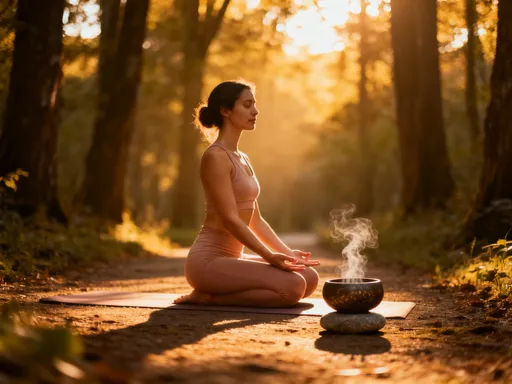
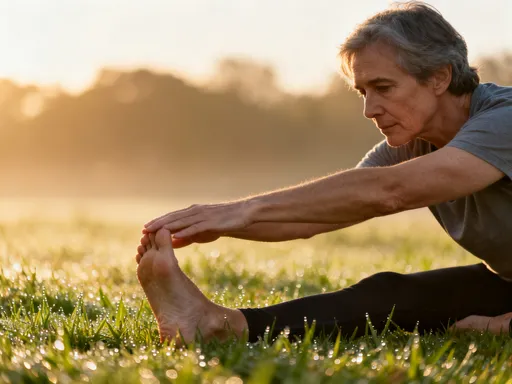
A sample daily framework might include morning Qi cultivation, such as gentle qigong or breath-focused meditation. These practices awaken the body without strain, setting a calm tone for the day. Midday movement could involve a short yoga sequence emphasizing mobility and alignment—perhaps cat-cow stretches, supported bridge pose, or seated spinal twists. These are not intense workouts, but mindful engagements that maintain flow and prevent stagnation. Evening practices might shift toward stillness: a guided meditation, acupressure on calming points like the inner wrist (Pericardium 6), or a warm foot soak with ginger and salt, a common TCM recommendation for grounding.
Equally important is professional guidance. While many practices can be done at home, working with a licensed TCM practitioner ensures safe and accurate treatment. Herbal formulas, for example, should be tailored to individual needs and monitored for interactions. Similarly, yoga instruction from a certified teacher—especially one experienced in therapeutic applications—helps prevent strain and ensures proper alignment. This integration is not about self-diagnosis or replacing medical care, but about enhancing it with complementary support. The most effective plans are those developed in collaboration with healthcare providers, creating a unified approach to healing.
Real Results: What Changed After 6 Weeks of Consistent Practice
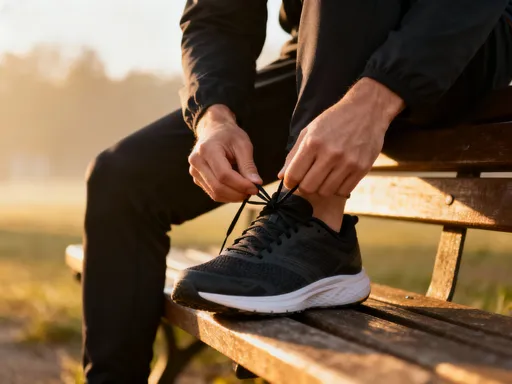
After six weeks of integrating TCM and yoga into daily life, subtle but meaningful shifts began to appear. Sleep, once fragmented and shallow, became deeper and more restorative. Waking up no longer felt like a battle, but a gradual return to awareness. Physical discomfort, while not gone, became less persistent. Areas of chronic tension—especially in the shoulders and lower back—felt looser, as if layers of stored stress were slowly releasing. Mobility improved not through dramatic leaps, but through steady, cumulative change. Simple movements like bending to tie shoes or reaching for a shelf became easier, less guarded.
Equally noticeable were the emotional changes. There was less mental chatter, fewer moments of irritability or overwhelm. The mind felt more spacious, as if the constant background hum of anxiety had been turned down. This wasn’t due to avoiding stress, but to developing a different relationship with it. Through meditation, there was greater awareness of thought patterns—recognizing when worry spiraled and gently returning to the breath. In TCM terms, this might be described as smoothing liver Qi, allowing emotions to move rather than stagnate. Patience with the healing process grew, not because recovery was fast, but because the focus shifted from outcomes to presence.
It’s important to emphasize that these changes were personal, not guaranteed. Healing is not linear, and progress often comes in waves. Some days still brought fatigue or discomfort. But the overall trajectory was upward—a growing sense of stability, both physical and emotional. These practices didn’t erase the past injury, but they created the conditions for the body to heal more fully. The transformation was not in becoming someone new, but in returning to a more balanced version of oneself.
Common Challenges and How to Overcome Them
Starting any new wellness practice comes with obstacles, and integrating TCM and yoga is no exception. One of the most common challenges is lack of motivation, especially during the early stages when results are not yet visible. It’s easy to dismiss small efforts—five minutes of breathing, a short stretch—as insignificant. But consistency, not intensity, is what matters. A helpful strategy is to begin with micro-practices: two minutes of deep breathing upon waking, or a single acupressure point held for a few moments before bed. These tiny actions build momentum and reinforce the habit without feeling overwhelming.
Time constraints are another frequent barrier. Many women in the 30–55 age range juggle work, family, and household responsibilities, leaving little room for self-care. The solution is not to add more to the day, but to integrate practices into existing routines. Mindful breathing can be done while waiting for the kettle to boil. A brief seated meditation can follow lunch instead of scrolling through a phone. Even a five-minute evening routine—combining foot massage with warm oil and a few yoga stretches—can become a cherished ritual rather than a chore. The key is to reframe self-care not as an extra task, but as a necessary part of maintaining balance.
Skepticism is also natural, especially when results are gradual. Some may question whether breathwork or herbal tea can truly impact recovery. This is where education and patience come in. Understanding the science behind these practices—such as how diaphragmatic breathing lowers heart rate, or how certain herbs support liver function—can build confidence. Tracking subtle changes in a journal—better sleep, less stiffness, improved mood—helps recognize progress that might otherwise go unnoticed. Setbacks are normal and should be expected. The goal is not perfection, but persistence. Each return to the practice, even after a missed day, strengthens the foundation for long-term healing.
Sustaining the Practice: From Rehabilitation to Lifelong Wellness
As recovery progresses, the focus naturally shifts from healing to maintenance. The practices that once supported rehabilitation become part of a sustainable wellness routine. This transition is not about doing more, but about deepening awareness. The body continues to change—through aging, seasonal shifts, or life stressors—and the practice evolves in response. A routine that once emphasized rest may later include more active movement. A herbal formula that supported recovery may be adjusted to maintain energy during busy seasons. Flexibility, both physical and mental, becomes the guiding principle.
Building a lasting habit requires intention and self-compassion. It’s not about rigid adherence, but about listening to the body’s needs each day. Some mornings call for energizing breathwork and gentle sun salutations; others may require stillness and a calming tea. The power of this integrated approach lies in its adaptability. It is not a fixed program, but a living practice—one that grows with the individual. Over time, this fosters a deeper relationship with the body, a sense of trust that replaces fear or frustration.
Ultimately, the journey with TCM and yoga is not just about recovering from an injury, but about reclaiming agency over one’s health. It teaches that healing is not something done to the body, but something cultivated within it. By combining ancient wisdom with mindful action, women in midlife and beyond can build resilience that extends far beyond physical recovery. This is not a quick fix, but a lifelong commitment to balance, awareness, and well-being. As the body learns to heal, the mind learns to listen—and in that quiet attention, true transformation begins.
The journey back to health isn’t always linear, but blending ancient wisdom with mindful movement creates a sustainable path forward. This approach didn’t just aid my recovery—it taught me to listen to my body with deeper respect. By uniting TCM and yoga meditation, rehabilitation becomes more than repair; it becomes transformation. Always consult a healthcare provider before starting any new wellness practice, especially during recovery.